Creatine Dosage by Weight: How Much Creatine to Take for Your Body
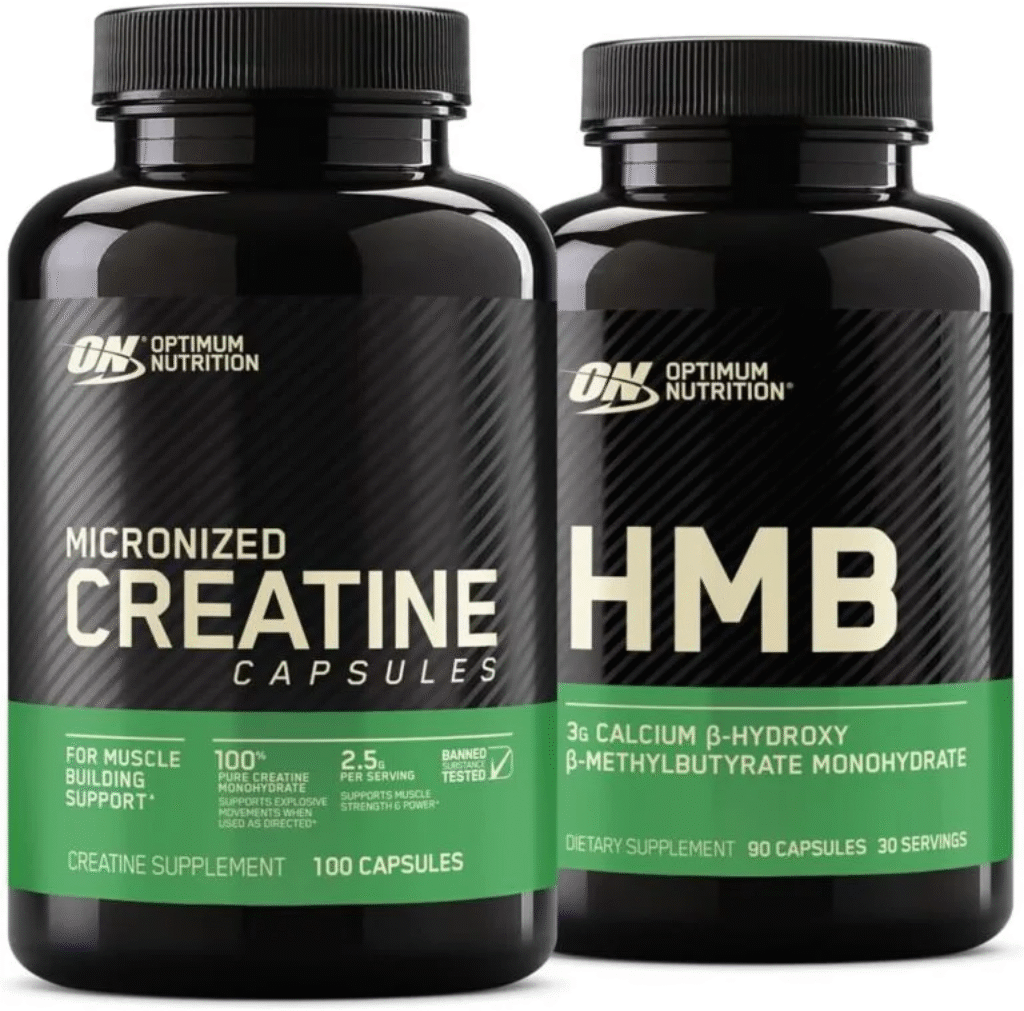
Have you ever wondered “how much creatine to take”, you’re not alone. Most supplement labels recommend a flat 5 grams per day, but your ideal dose can depend on your body weight and goals. Using a one-size-fits-all dosage ignores how a 150-pound person differs from a 220-pound person in muscle mass and metabolism. In this post, we’ll explain why body weight matters when dosing creatine, show you a simple formula to calculate your own dose, and bust some common myths about creatine supplements along the way. (Spoiler: it’s safe and beneficial for pretty much everyone!) We’ll also highlight creatine benefits and tips for beginners who are new to this popular supplement.
Why Body Weight Matters for Creatine Dosing
Your muscles are essentially creatine “storage bins,” and bigger muscles can hold more creatine. That means heavier or more muscular folks often need a larger dose to get the same percentage increase in muscle creatine stores. In other words, a lighter person taking a full 5g scoop might be getting a disproportionately high dose relative to their size, while a heavier person may need more than 5g to fully reap the benefits.
Research-backed guidelines reflect this. For example, the International Society of Sports Nutrition suggests a loading dose of 0.3 grams of creatine per kilogram (kg) of body weight per day (for about a week) and then a maintenance dose of about 0.03 g/kg. In practical terms, after any loading phase, that’s roughly 30 mg of creatine per kg of body weight daily. So a 70 kg (154 lb) individual might take ~2.1 g/day, whereas a 100 kg (220 lb) person might use ~3 g/day. (Many people round up to 3–5g as a simple maintenance dose, but this shows the weight-based logic.)
Putting it another way, some creatine calculators use 0.03 grams per pound of body weight as a rule of thumb. That means:
- 150 lbs × 0.03 g/lb = 4.5 g/day
- 200 lbs × 0.03 g/lb = 6.0 g/day
These examples highlight why a heavier person often requires a higher absolute dose. The key takeaway: using your own weight to personalize your dose ensures you get enough creatine to saturate your muscles without overshooting dramatically.
Calculating Your Creatine Dosage
Figuring out your ideal creatine dose is pretty straightforward. Here’s a quick guide:
- Convert your weight to kilograms (kg): If you know your weight in pounds, divide by 2.2. For example, 180 lb ÷ 2.2 ≈ 82 kg.
- Apply the guideline: Aim for about 0.03 grams of creatine per kg of body weight per day for maintenance. (Some sources suggest up to 0.05 g/kg if you’re on the higher end of dosing, but 0.03 g/kg is a conservative starting point.)
- Calculate your dose: Multiply your weight (in kg) by 0.03. Using our example, 82 kg × 0.03 ≈ 2.46 g. You could round this to ~3 g per day.
Alternatively, if you want an easy shortcut in pounds: multiply your body weight in pounds by 0.03. For example:
- A 160 lb person: 160 × 0.03 = 4.8 g/day.
- A 210 lb person: 210 × 0.03 = 6.3 g/day.
Most people will end up in the 3–8 gram range based on these calculations. As a rule of thumb, smaller individuals often do fine with around 3–4 g, while bigger individuals might need 5–8 g to reach the same muscle saturation.
Tip: If you’ve just started creatine, many coaches suggest a short “loading phase” (e.g. 0.3 g/kg for 5–7 days) followed by the calculated maintenance dose. However, loading isn’t strictly necessary; you’ll still eventually maximize your muscle creatine by taking the maintenance dose each day, it’ll just take a few weeks longer.
Creatine Benefits You Should Know
Creatine isn’t just for bodybuilders. It’s one of the most-researched and effective supplements out there. Benefits of creatine include:
- Increased strength and power: Creatine helps your muscles regenerate the primary energy molecule (ATP) more quickly, so you can lift heavier or perform more reps. This translates to significant gains in strength and power during short, intense activities like weightlifting or sprinting.
- More muscle growth: Creatine-fed muscles pull in extra water and support protein synthesis, both of which can promote muscle size gains over time. (Yes, part of the “weight gain” is just water in muscle, which actually helps create an anabolic environment.)
- Faster recovery: Some studies show creatine reduces muscle damage and inflammation after workouts, leading to quicker recovery between sessions. This means you can train more often and more intensely.
- Brain health and cognition: Emerging research suggests creatine might improve memory and brain function, especially in tasks requiring short-term memory and quick thinking. While more studies are needed, creatine crosses the blood-brain barrier and can support brain energy too.
In short, creatine offers solid creatine benefits for athletes and casual gym-goers alike, plus potential perks for the brain. It’s even being studied for helping mood and cognitive symptoms in some conditions. For beginners and veterans, it’s a simple way to boost workout results over time.
Debunking Creatine Myths
Even though creatine is well-studied, several myths persist. Let’s clear up a few:
- Myth: Creatine causes kidney damage. Reality: In healthy individuals, creatine has not been shown to harm the kidneys. Long-term studies (even 5 years or more) indicate creatine is very safe at recommended doses. The kidneys do process creatine, but research finds no adverse effects unless someone already has kidney disease. If you have existing kidney problems, talk to a doctor (better safe than sorry). But for the average person, creatine will not “wreck” your kidneys or liver.
- Myth: Creatine makes you bloated or fat. Reality: Creatine can cause a bit of water retention in muscle cells, which is a normal part of its effect. This might show up as a ~1–3 pound “weight gain” when you first take it (water in muscles, not fat). It can make your muscles look fuller or slightly “puffy,” but this is temporary. It’s not the same as fat gain. Once muscles are loaded, your body adjusts. Drinking plenty of water and taking smaller doses (like splitting into two servings) can minimize any initial bloat. Overall, any weight gain from creatine is usually healthy mass and hydration, not unwanted fat.
- Myth: Creatine is only for bodybuilders or men. Reality: Creatine works for everyone, regardless of age or gender. Studies have shown benefits in women and older adults too. It can even support cognitive health. So if you’re a beginner or just looking for general fitness gains, creatine is a tool worth considering – it’s not exclusive to elite lifters.
- Myth: You must load creatine for it to work. Reality: Loading (taking ~20g/day for a week) simply saturates muscles faster, but you can skip it. Taking a consistent 3–6 g per day will eventually build up creatine stores over a few weeks. Many people start with the maintenance dose right away. Consistency is the key factor for results.
Ultimately, most “negative” claims about creatine (like dehydration or muscle cramps) have been contradicted by research. When taken properly, creatine is one of the safest supplements around.
Creatine for Beginners: Getting Started
If you’re new to supplements, here are some quick tips to begin:
- Start with your calculated dose: Use the body-weight formula above to find a conservative daily dose (often 3–5 g). Mix it with water or your favorite drink. You can take it any time of day, but many do it around workouts.
- Stay hydrated: Creatine pulls water into muscles, so keep drinking water throughout the day. This helps minimize any digestive upset and maximizes benefit.
- Combine with a plan: Creatine works best with regular resistance training or high-intensity exercise. Pair it with your training and a balanced diet for muscle-building results.
- Check product quality: Look for pure creatine monohydrate (the most studied form) from a reputable brand. (Check out TheFairCompany.io’s creatine supplement page for a quality option.)
- Learn more: If you’re just getting into fitness, read our beginner-friendly guides like Creatine for Beginners or Supplement Basics. Knowledge is power, and understanding how supplements fit into your routine will help you get the most out of them.
Remember, supplements are meant to “supplement” a good diet and workout plan—not replace them. But when used correctly, creatine can give beginners an extra boost in strength and recovery.
Conclusion
In summary, your creatine dosage should reflect your body weight and goals rather than just grabbing a generic scoop. A good rule of thumb is about 0.03 g per kg of body weight per day (or roughly 3–6g for most people). This way you’re neither under-dosing nor wasting product. And despite what some myths suggest, creatine is a safe, well-researched supplement that can benefit beginners and athletes alike